Ale
-

Regular Price: $21.95
Special Price $19.00
Froth Technologies Buddy | FT01 American Ale Yeast
Often playing a supporting role in IPA’s and hop-forward styles, Buddy takes a back seat with its clean fermentation profile and lets it’s mates bask in the limelight. With applications across a range of styles from Pale Ale’s and IPA’s, to American Style Stouts and Barleywines, this versatile and reliable strain is a go-to across the board. Brew with your Buddy; a brewer’s best friend.
-
Regular Price: $21.95
Special Price $19.00
Froth Technologies Vape | FT02 Hazy / English Ale Yeast
Clouds no longer belong solely to the sky. The trendy kid on the block, Vape is our answer to sick-as-hazies. Contributing a restrained but present ester profile and a silky mouthfeel, Vape clouds-out most when partnered with a high dose of hops and proteins to render the juiciest of NEIPA’s.
-
 $21.95
Froth Technologies Spectra | FT03 Hazy / English Ale Yeast
Explore the more delicate of textures and indulge in a spectrum of radiant flavour & aroma. Spectra boasts a more robust attenuation capacity than many of its counterparts, while exhibiting an elegant ester profile and velvety mouthfeel. This prolific strain dances with hops & protein to offer a mesmerising glow in New England IPA’s, while its Old English origins make it a wise choice for amber & dark ales.
-
Regular Price: $21.95
Special Price $19.00
Froth Technologies Rudeboy | FT21 Hazy / English Ale Yeast
Named by Dale Gould as a salute to the UK Ska music scene, Rudeboy is a go-getter when it comes to bright ales - or fuller sweeter Hazies thanks to the lower attenuation. This boy is highly flocculant and rather clean, with a neutral profile that nudges mild malt and soft fruit aromatics to the forefront. Rudeboy scrubs up well bright in all sorts from ESBs and Milds, Dark & Amber ales, as well as new and old world IPAs, Pale Ales & Hazies.
-

Regular Price: $21.95
Special Price $19.00
Froth Technologies Wilding | FTW1 NZ Wild Ale Yeast
It turns out, the Rangit?kei District is a pretty funky place; it's the origin of Wilding, the first-ever commercial brewers yeast isolated from the New Zealand wilderness. This yeast isolate was collected as a wild mixed culture from an air-trap (nano koelschip). Subtle spice from phenols, fruity banana, pear and apple esters, and a dry lager-like finish that is surprisingly clean. Validated by PCR as: Saccharomyces cerevisiae var. diastaticus.
-
 $25.00
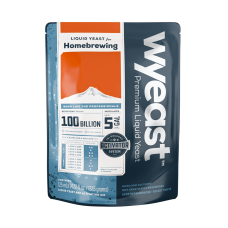
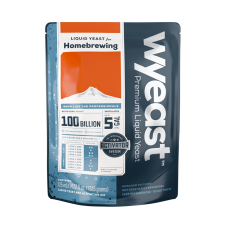
Wyeast - German Ale - Strain 1007
Species: Saccharomyces cerevisiae
Profile: A true top cropping yeast with low ester formation and a broad temperature range. Fermentation at higher temperatures may produce mild fruitiness. This powdery strain results in yeast that remains in suspension post fermentation. Beers mature rapidly, even when cold fermentation is used. Low or no detectable diacetyl.
-
 $25.00
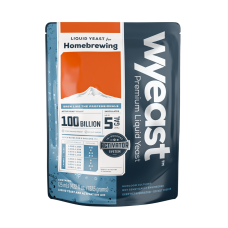
Wyeast - American Wheat - Strain 1010
Species: Saccharomyces cerevisiae
Profile: A strong fermenting, true top cropping yeast that produces a dry, slightly tart, crisp beer. Ideal for beers where low ester profile is desirable.
-
 $25.00
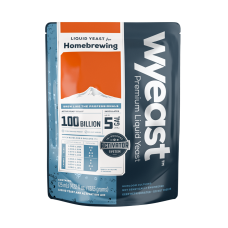
Wyeast - London Ale - Strain 1028
Species: Saccharomyces cerevisiae
Profile: A rich mineral profile that is bold and crisp with some fruitiness. Often used for higher gravity ales and when a high level of attenuation is desired.
-
 $25.00
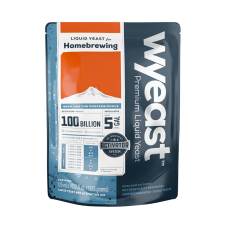
Wyeast - American Ale - Strain 1056
Species: Saccharomyces cerevisiae
Profile: Very clean, crisp flavor characteristics with low fruitness and mild ester production. A very versatile yeast for styles that desire dominant malt and hop character. This strain makes a wonderful "House" strain. Mild citrus notes develop with cooler 60-66F (15-19C) fermentations. Normally requires filtration for bright beers.
-
 $25.00
Wyeast - Irish Ale - Strain 1084
Species: Saccharomyces cerevisiae
Profile: This versatile yeast ferments extremely well in dark worts. It is a good choice for most high gravity beers. Beers fermented in the lower temperature range produce a dry, crisp profile with subtle fruitiness. Fruit and complex esters will increase when fermentation temperatures are above 64°F (18°C).